Thick Sheet Thermoforming | Heavy-Duty Industrial Components
Heavy-Duty Thermoforming • 2 - 10 mm • Structural Industrial Components
Overview
Thick gauge thermoforming produces durable, structural components used in automotive, industrial, aerospace, and medical industries. With sheet thicknesses from 2 to 10mm, it is a proven, cost-effective alternative to metal fabrication and fiberglass moulding.
Our thick sheet forming process uses precision sag-controlled heating systems and matched or single-surface tooling to deliver complex shapes, deep draws, and tight dimensional accuracy.
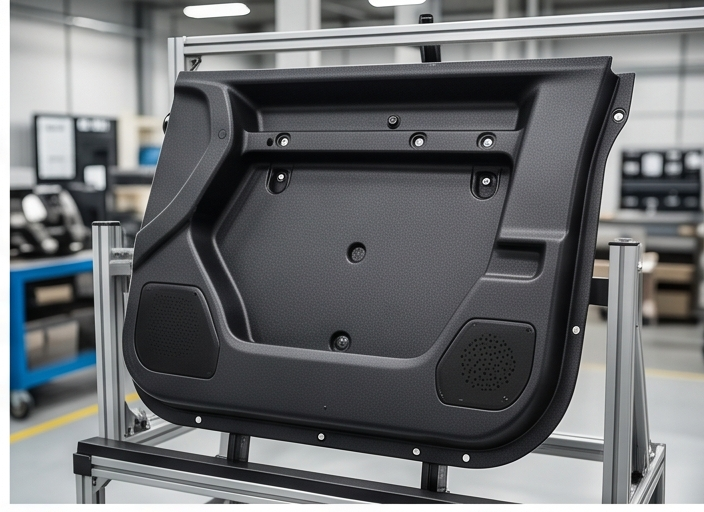
Automotive door inner panel - thick gauge ABS thermoforming
Capabilities
Key Benefits
- High strength & durability
- Large component capability
- Lower tooling cost vs injection moulding
- Deep draw & complex geometry
- UV & flame-retardant options
- Lightweight alternative to metal
Materials
- ABS
- HDPE
- HIPS
- PC (Polycarbonate)
- PMMA (Acrylic)
- ASA
- PP (Polypropylene)
Applications
- Automotive panels & dashboards
- Medical equipment housings
- Industrial machine covers
- Marine & recreational components
- Furniture & appliance housings
Industry Applications
Thick gauge thermoforming delivers structural performance across demanding industries - from automotive interiors to medical-grade enclosures.
Automotive & Transport
Door panels, dashboards, underbody shields and interior trims formed from ABS and ASA for long-term durability and UV resistance.
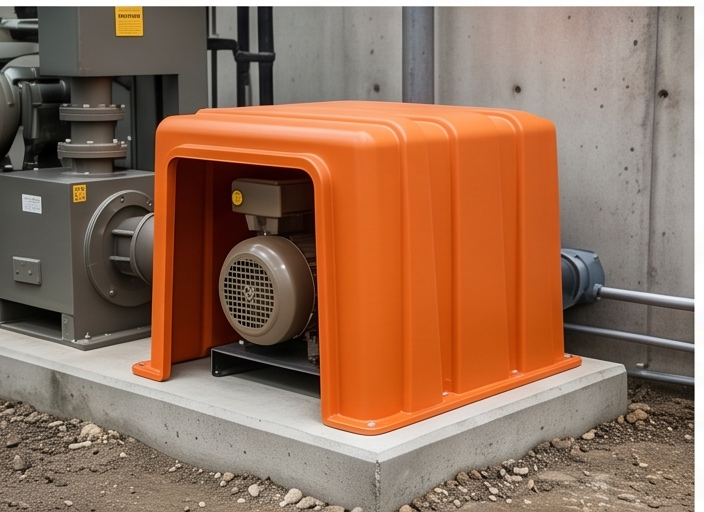
Industrial Enclosures & Covers
Rugged machine guards, pump covers, and equipment housings formed from HDPE and PP. Impact resistant, chemical-proof and easy to clean.
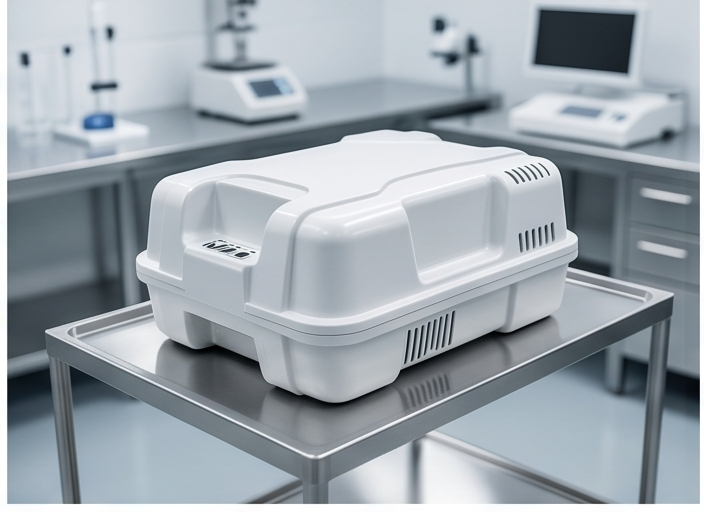
Medical Device Housings
Precision white ABS and HIPS housings for diagnostic equipment, lab instruments and portable medical devices requiring tight dimensional accuracy.
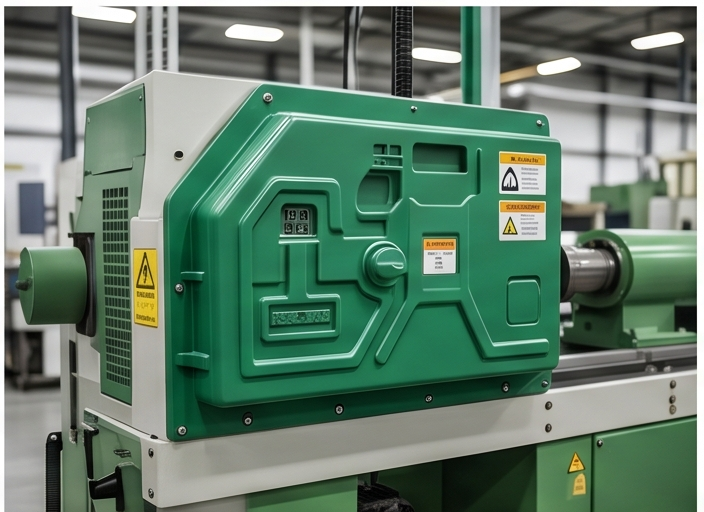
Product Gallery
A selection of thick gauge thermoformed components across industrial, automotive, medical and commercial sectors.
Manufacturing Process
- 1Material selection (2-10 mm sheets)
- 2Uniform heating with sag control
- 3Vacuum / pressure forming over tooling
- 4Cooling for structural rigidity
- 5CNC trimming & finishing
- 6Quality validation & dispatch
Why Thick Sheet Forming?
vs Metal Fabrication
- Significantly lower tooling cost
- No corrosion or rust
- Lighter weight assemblies
- Faster lead times
vs Injection Moulding
- Suitable for large surface areas
- Much lower capital investment
- Economical for low-medium volumes
- Faster prototyping
Performance
- Impact-resistant grades available
- UV-stabilised for outdoor use
- Custom textures & finishes
- Colour-matched to spec
Need Thick Sheet Forming Solutions?
Get structural components designed to your exact specifications - from prototypes to full production runs.
Get a Quote